Common Area Cleaning for HOAs and Apartments: What to Put in Writing
A checklist for property managers and HOA boards: what a common area cleaning agreement should spell out so lobbies, hallways and trash rooms stay clean.
Perfectly Clean4 min read
Common areas are the part of a property every resident, owner and visitor sees. When the lobby, elevators and hallways look cared for, the whole community feels well run. When they slip, the complaints land on the property manager or the HOA board.
Most of those complaints don't start with a bad crew. They start with an agreement that never said what "clean" means for this property.
Why the Written Scope Matters
A vague agreement ("clean common areas weekly") leaves every detail open to interpretation. The crew does what they think is included, residents notice what isn't, and the board ends up arbitrating.
A clear scope fixes that before the first visit. It tells the crew exactly what to do, tells the manager exactly what to check, and gives both sides the same yardstick when something is missed.
What the Scope Should List
Walk the property and list every shared space by name. For most apartment communities and condo associations in Ventura County and the San Fernando Valley, that includes:
- Lobbies and entry vestibules
- Elevators: walls, buttons, tracks and floors
- Stairwells and landings
- Hallways and corridors
- Common restrooms
- Clubhouses, fitness and recreation rooms
- Trash rooms and chute areas
- Mail areas and package rooms
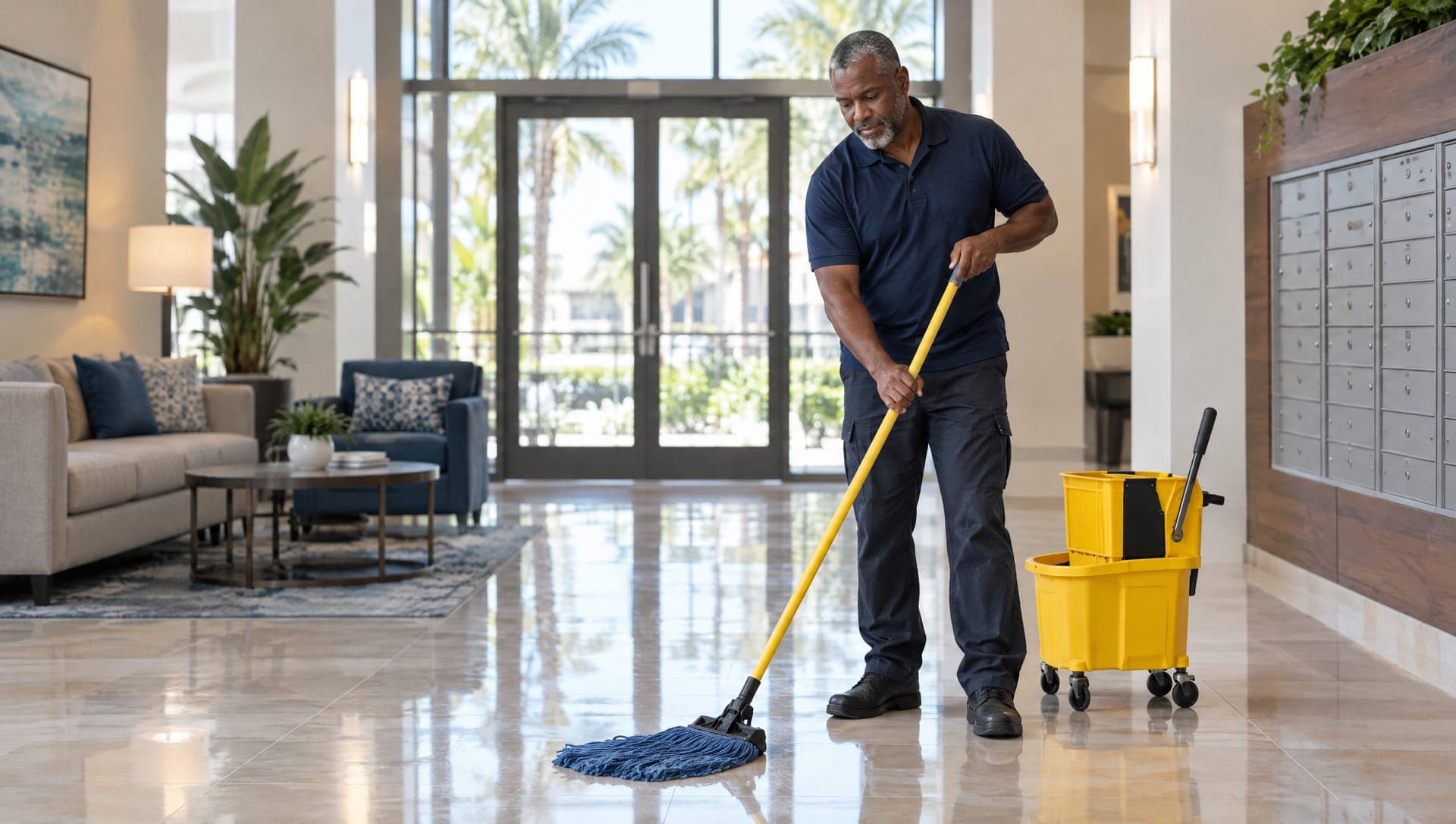
Then, for each area, write down the tasks. "Lobby" is not a task. "Sweep and mop the floor, wipe the glass doors and the mailboxes, empty the bins" is.
Match Frequency to Traffic
Not every space needs the same schedule. A busy lobby or trash room may need attention several times a week, while a stairwell or a little-used clubhouse can go longer. Write the frequency next to each area rather than one schedule for the whole building.
Think about seasons too. Pool decks, patios and walkways in Southern California pick up dust, leaves and sprinkler spotting quickly, so they may need more attention in summer and after wind events.
Access and Scheduling
Spell out how the crew gets in and when:
- Keys, gate codes and alarm instructions for each visit
- Preferred days and hours, including early mornings, evenings or weekends
- Who the crew contacts on site, and who they call if access fails
At Perfectly Clean, visits are scheduled around a property's operating hours, and the client provides reliable access for every scheduled visit. It sounds basic, but a locked door is one of the most common reasons a visit gets missed.
How Missed Items Get Fixed
Every agreement should say what happens when something is not done right: how to report it, how fast, and how it gets corrected.
Ours is simple. Report a missed or unsatisfactory item within 48 hours of the service date, and we return to correct it at no charge within 2 business days.
Insurance and Paperwork
Ask any cleaning company for a certificate of insurance before work starts, and keep it on file. Boards and management companies often need it for their own records.
Perfectly Clean carries general liability insurance, and a certificate of insurance is available on request. Scope, frequency and price are set out in a written proposal for each property, and changes are agreed in writing (email is fine) before they take effect.
Add-Ons Worth Planning Ahead
Some work doesn't belong in every visit but is easier to plan once:
- Pressure washing of walkways, stairs, pool decks and garage floors
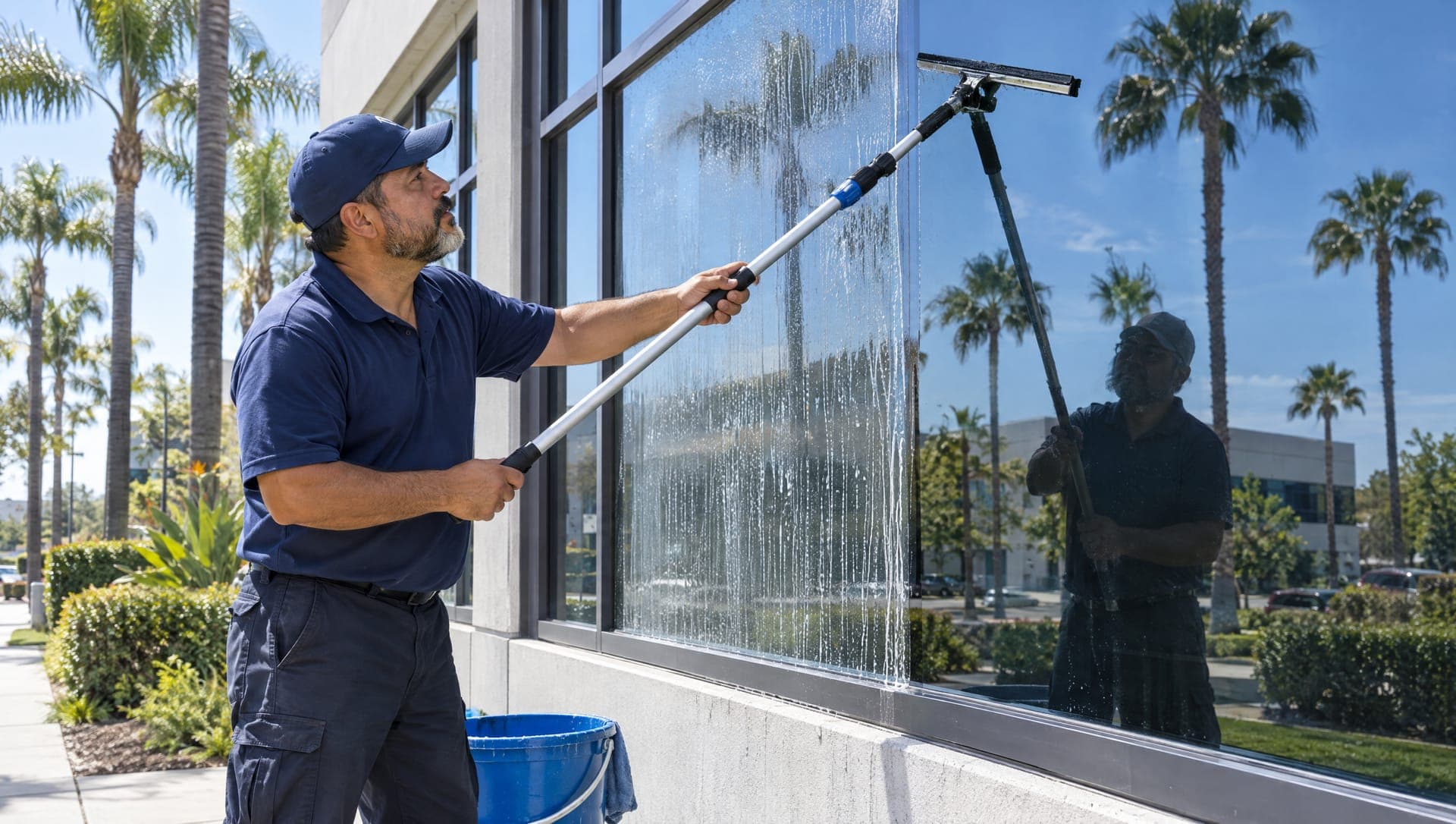
- Window cleaning for lobby glass, entry doors and common-area windows
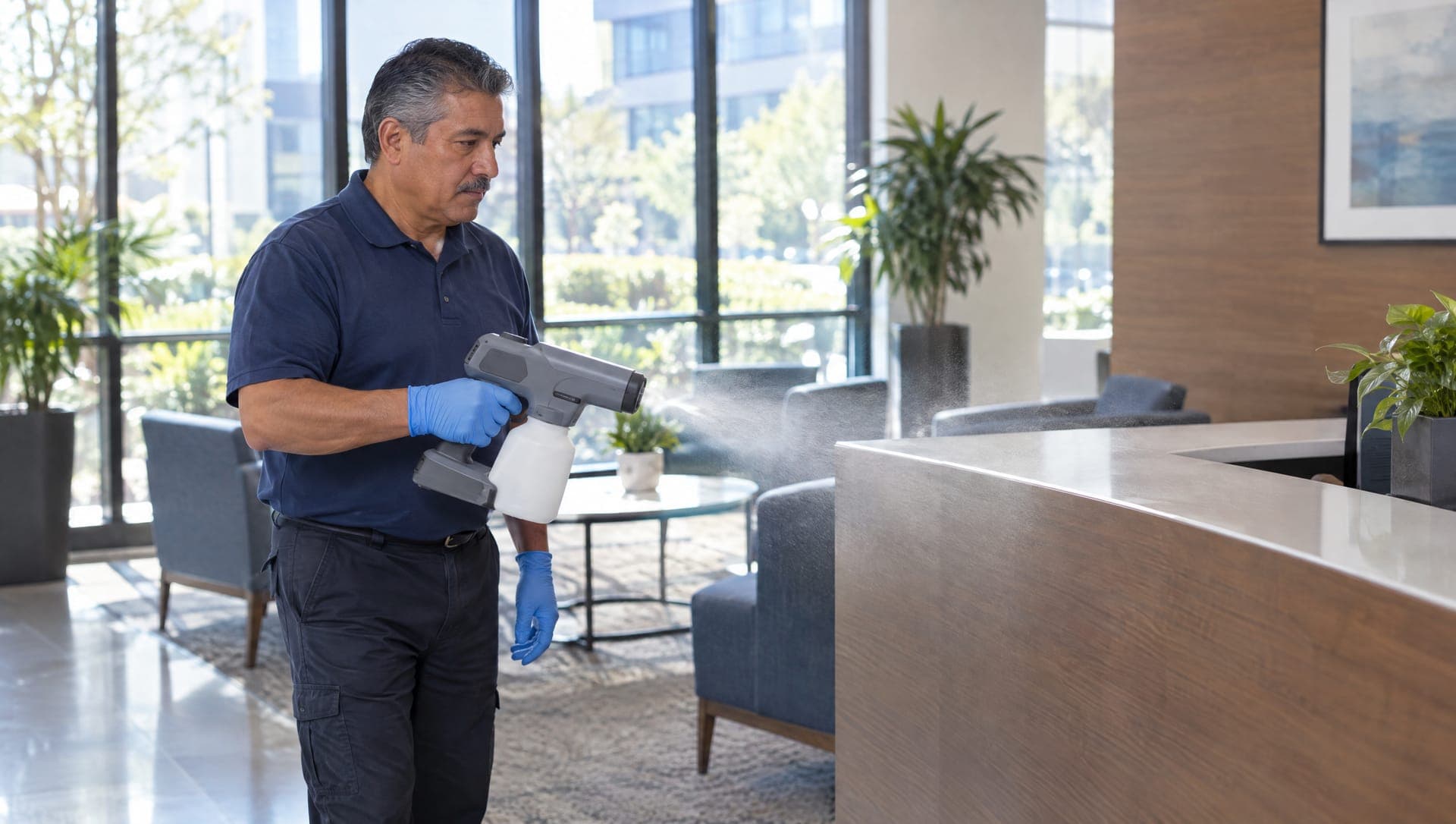
- Electrostatic disinfection of high-touch surfaces like door handles, elevator buttons and mailboxes
Pricing these as scheduled add-ons keeps the recurring scope clean and avoids surprise invoices.
A Quick Checklist for Property Managers and HOA Boards
Before you sign, make sure the agreement covers:
- Every common area listed by name
- The tasks for each area, not just the area
- A frequency for each area
- Access details and the on-site contact
- How missed items are reported and how fast they are fixed
- A certificate of insurance on file
- How changes to scope, frequency or price are agreed
The Bottom Line
The best common area cleaning is predictable. When the scope is written down area by area, the crew knows the standard, the manager can check it in minutes, and residents see the same result every visit.
Serving apartment communities, condos and HOAs across Ventura County & San Fernando Valley. See our common area maintenance service or get a free quote for your property.